Featured papers

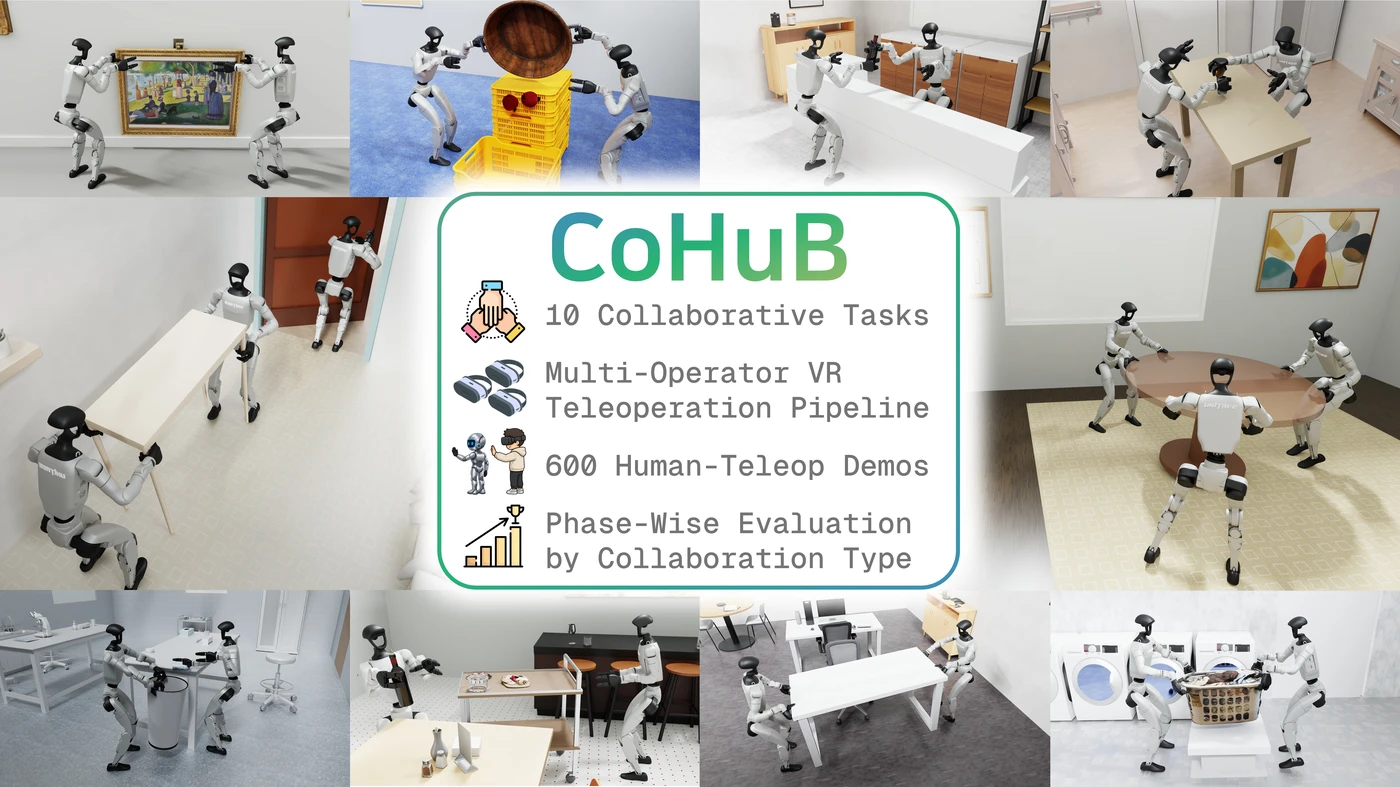
OntoPlan: An Ontology-Grounded Scene Representation and Agentic Framework for Scalable Robot Task Planning, ,
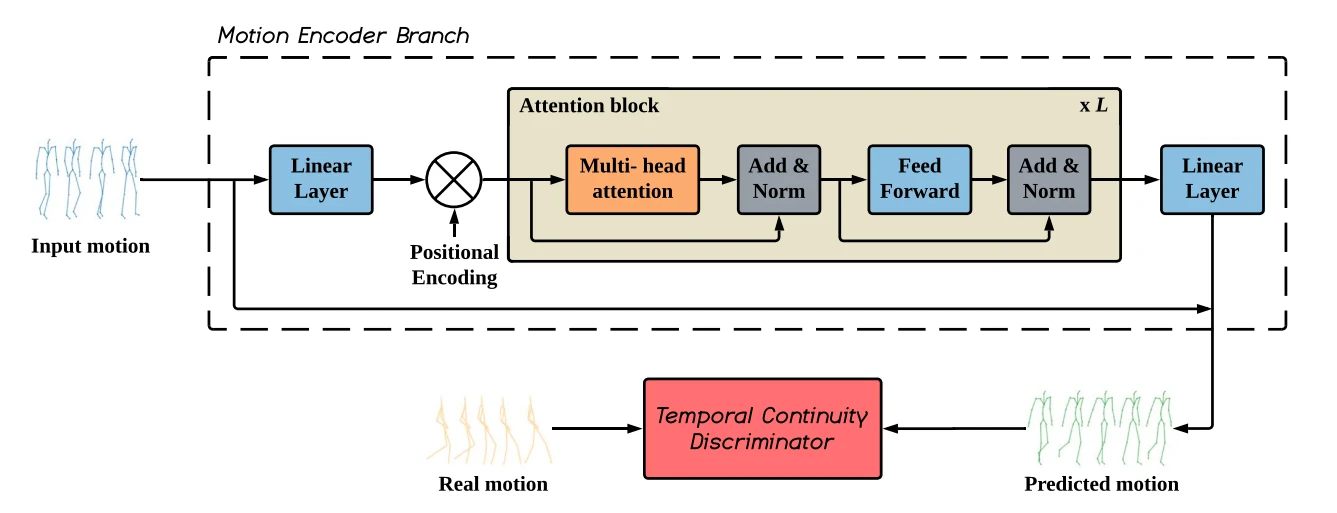
AdvMT: Adversarial Motion Transformer for Long-term Human Motion Prediction, ,
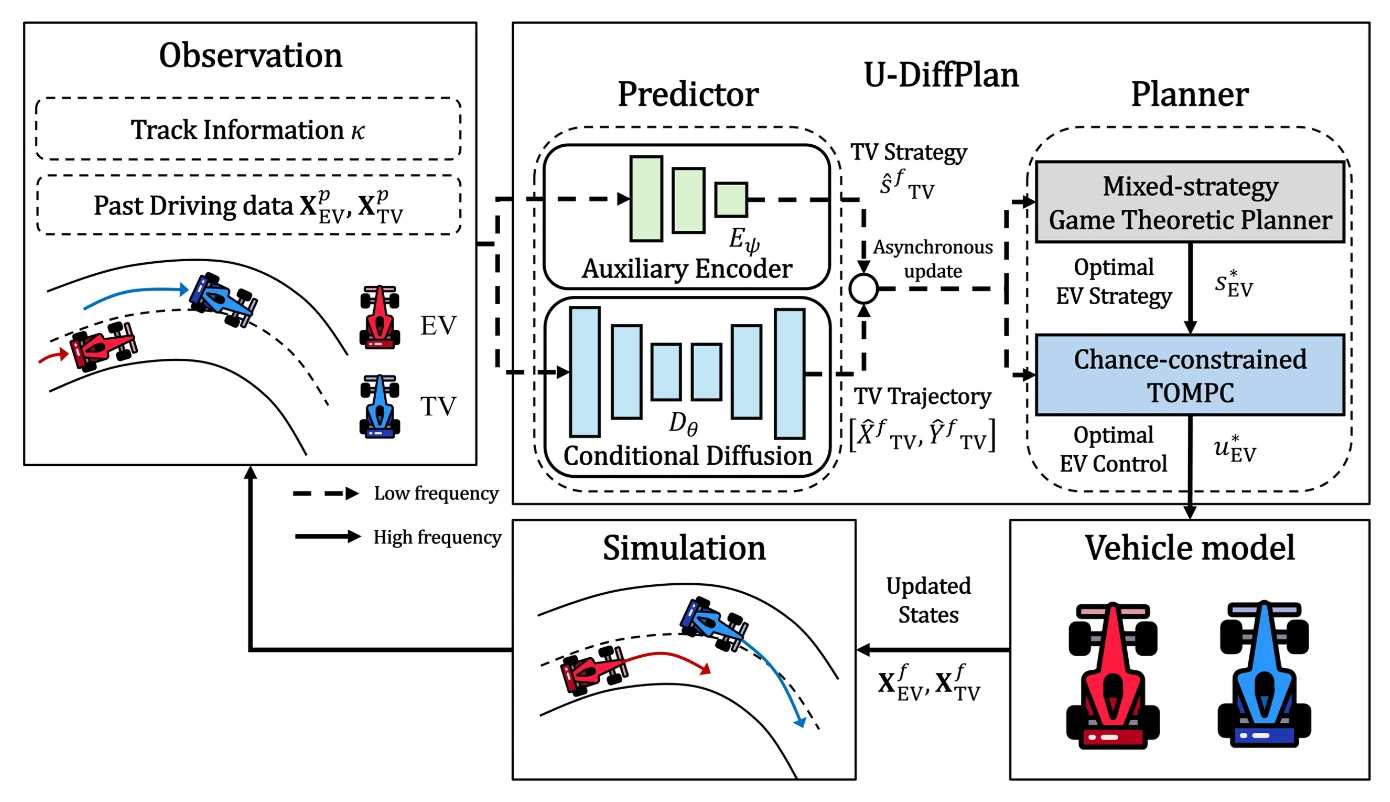
U-DiffPlan: Uncertainty-Aware Trajectory Prediction and Planning via Diffusion for Strategic Autonomous Racing, ,
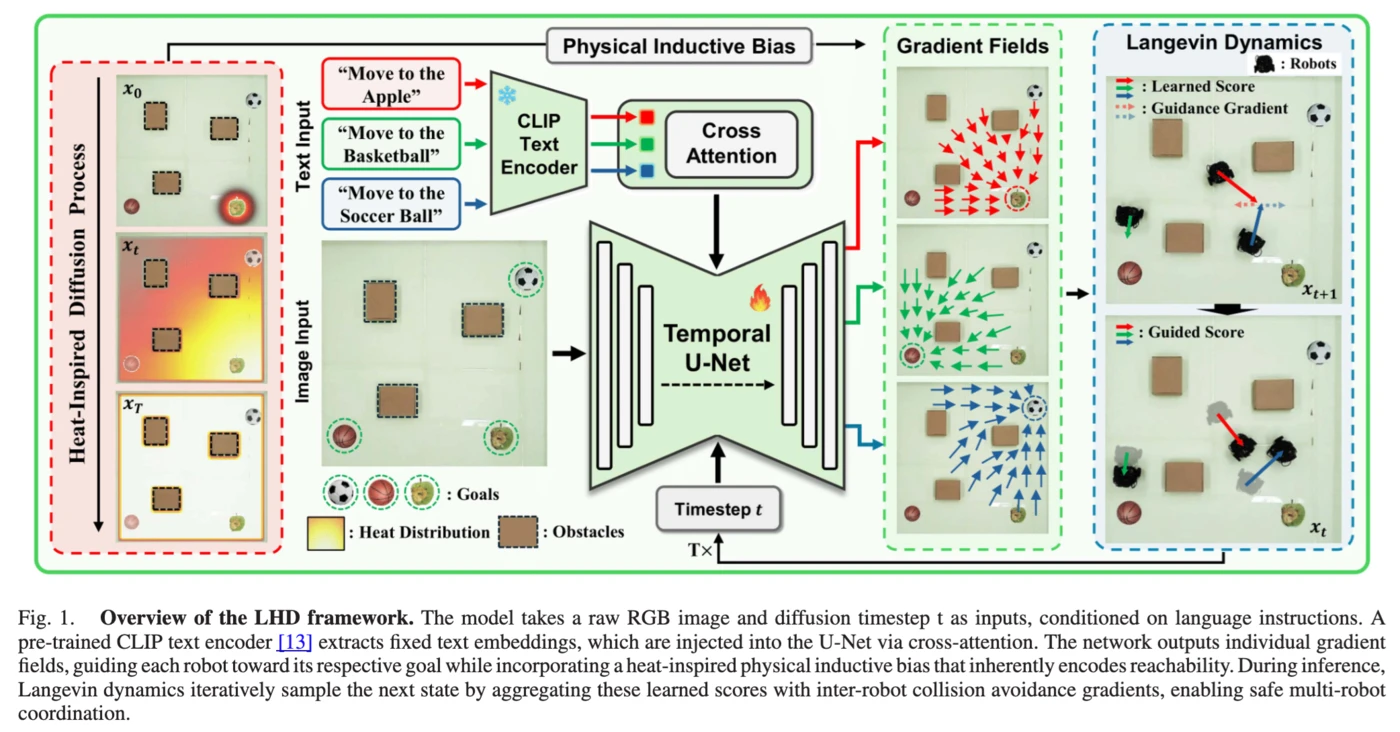
Multi-Robot Motion Planning from Vision and Language using Heat-Inspired Diffusion, ,
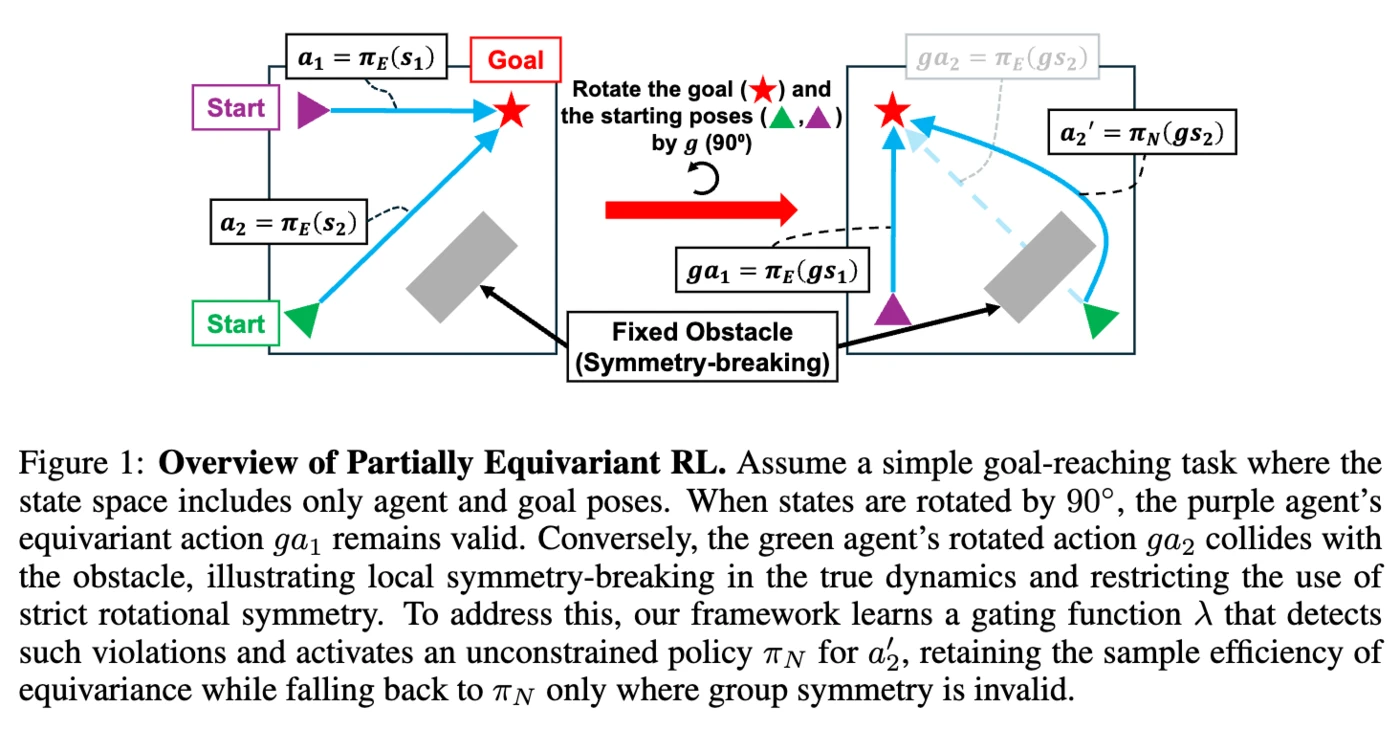
Partially Equivariant Reinforcement Learning in Symmetry-Breaking Environments, ,
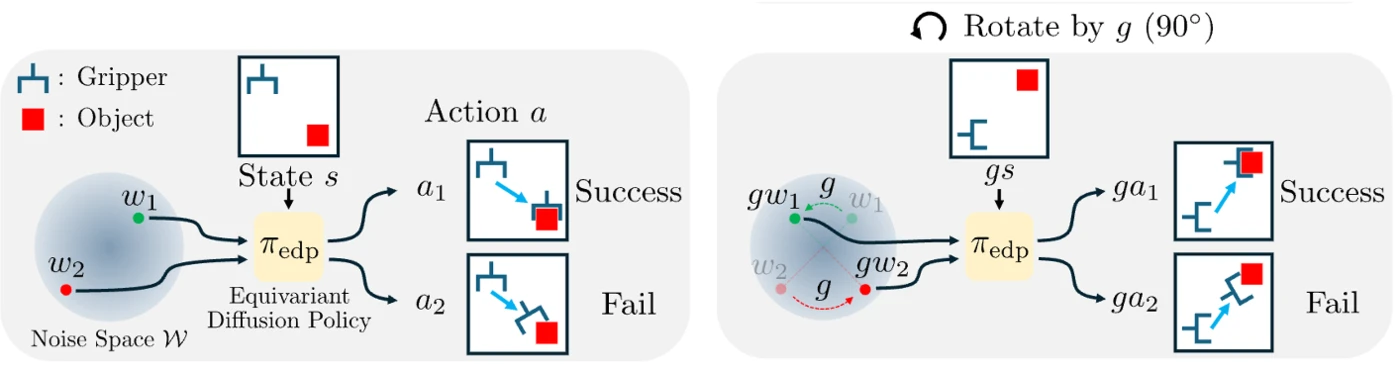
Symmetry-Aware Steering of Equivariant Diffusion Policies — Benefits and Limits, ,
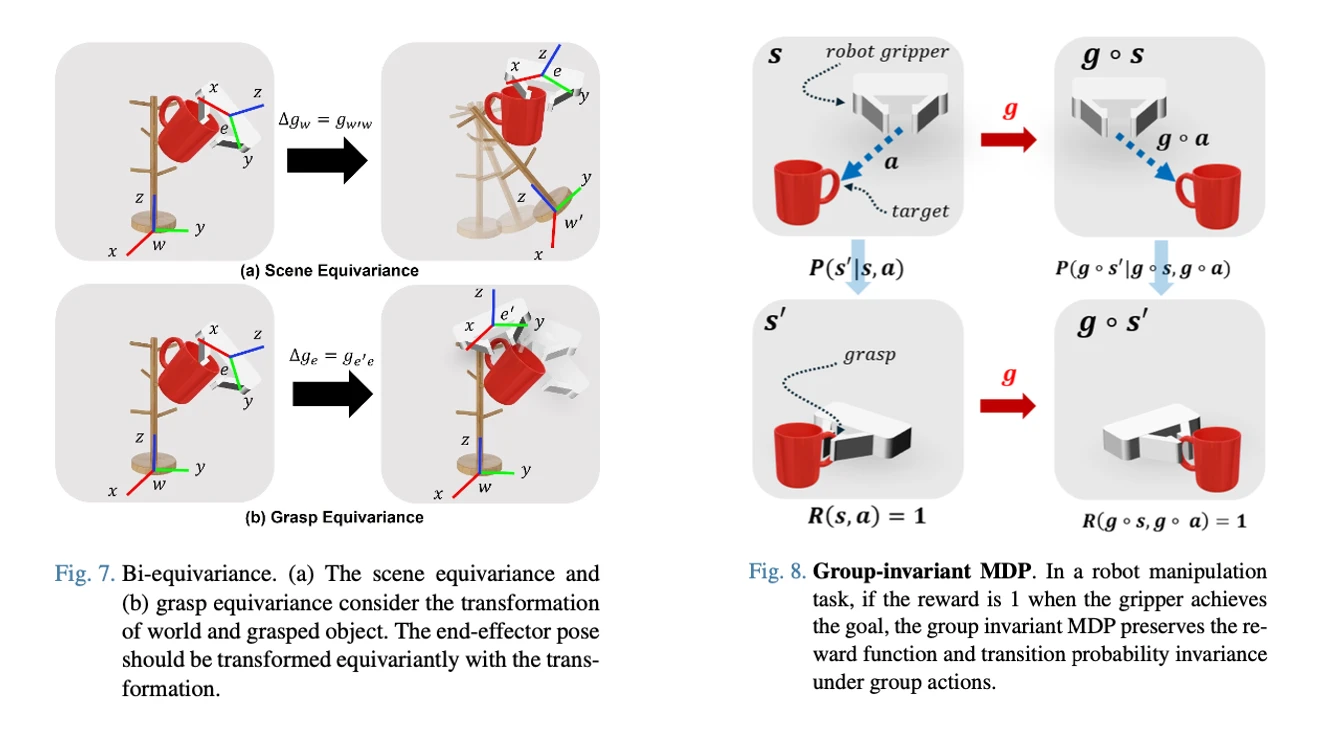
SE(3)-equivariant Robot Learning and Control: A Tutorial Survey, ,
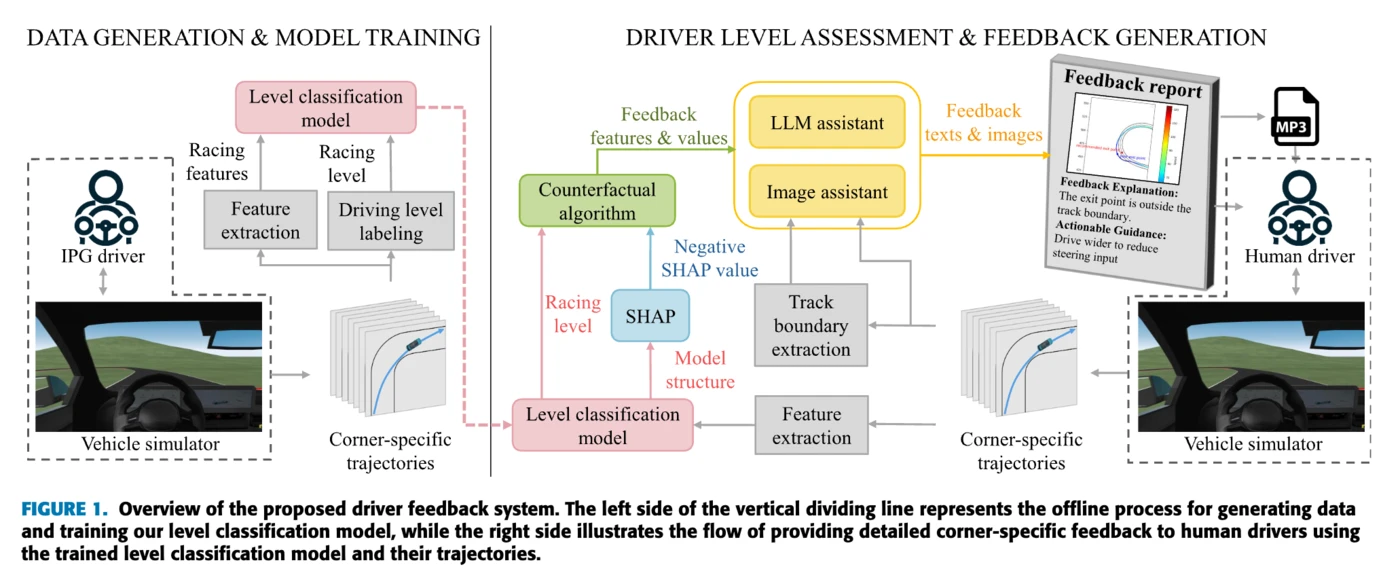
Data-Driven Driver Training via Counterfactual and Language-Based Guidance in Racing Scenarios, ,
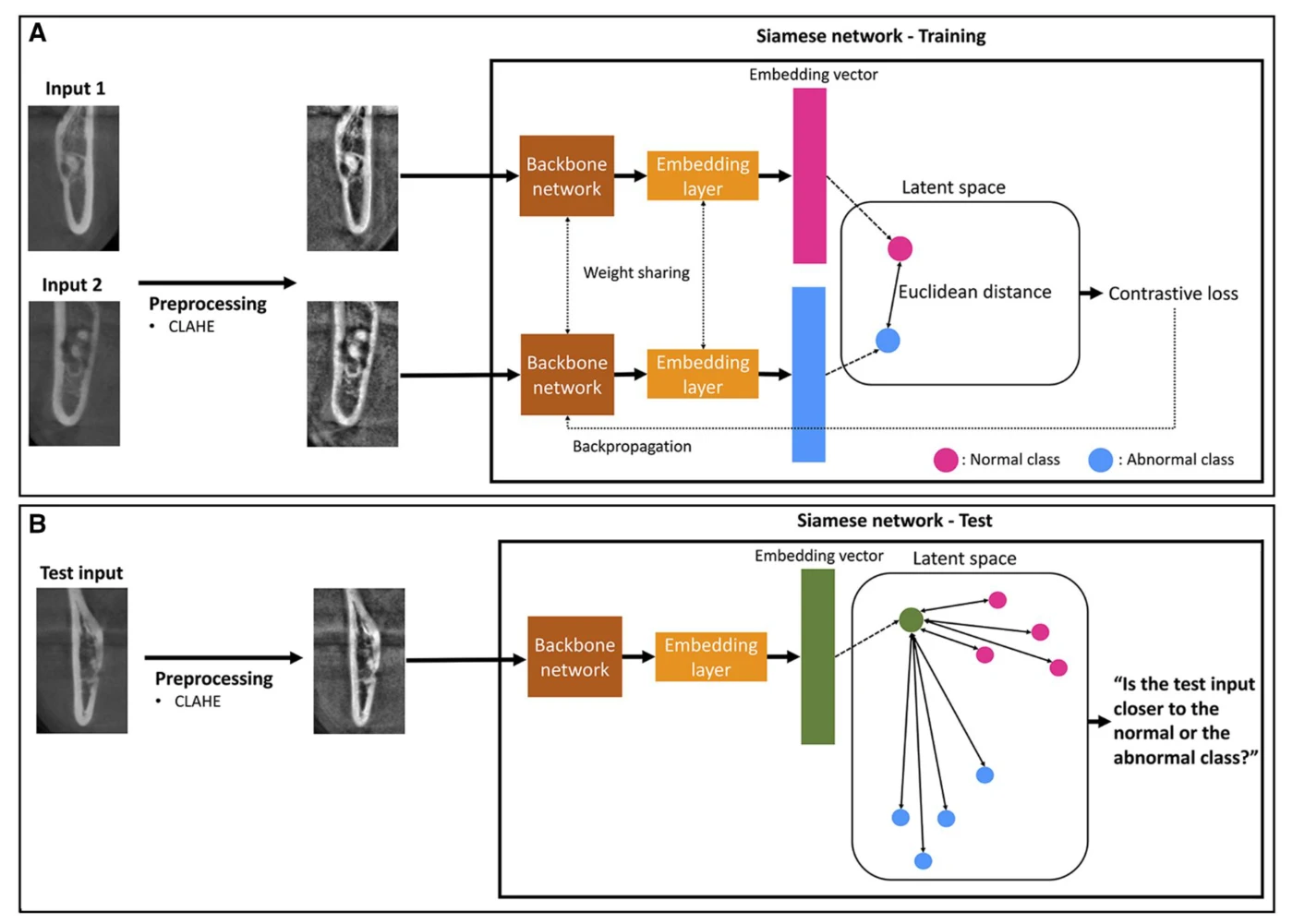
Single-step prediction of inferior alveolar nerve injury after mandibular third-molar extraction using contrastive learning and Bayesian auto-tuned deep learning model, ,
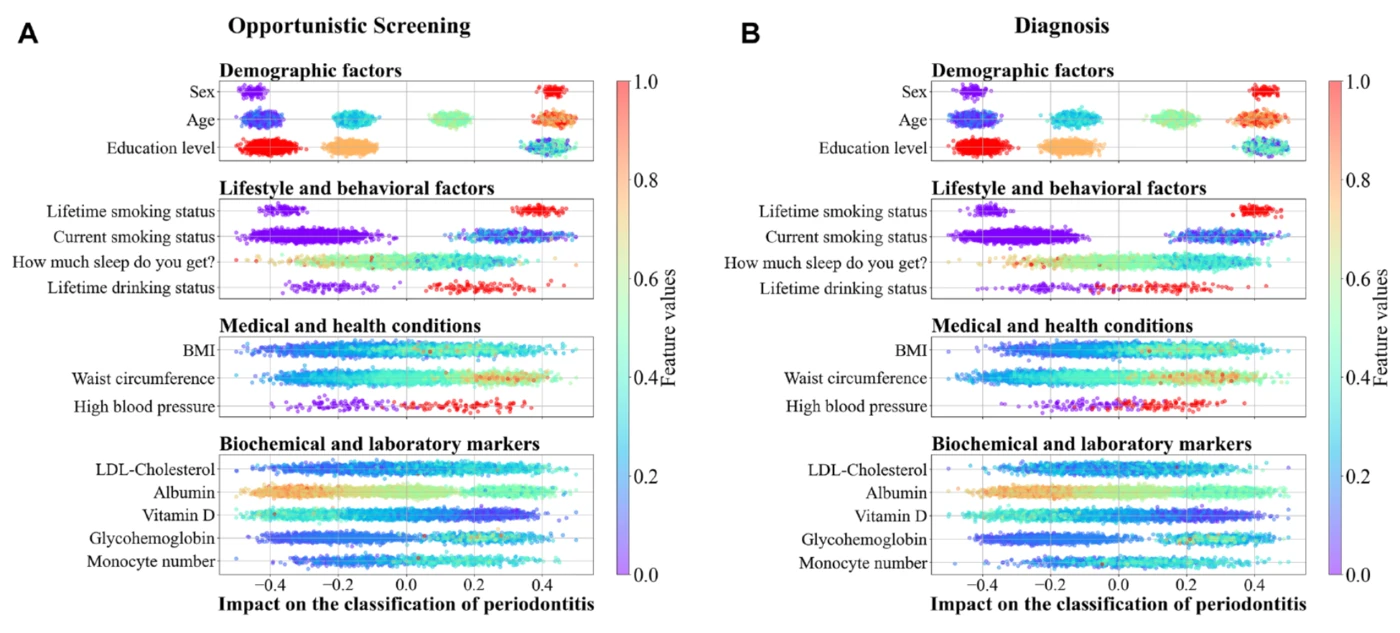
Explainable Deep Learning Approaches for Risk Screening of Periodontitis, ,
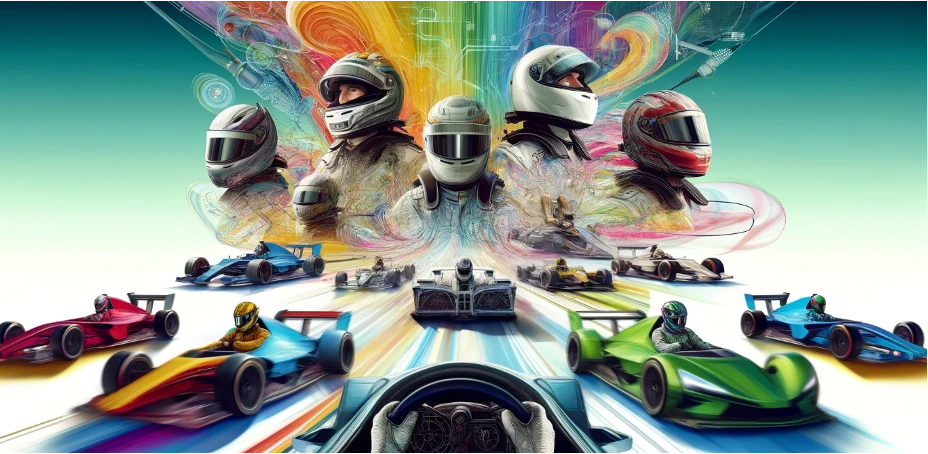
Learning Expert-Level Racing Strategies Via Scheduled Cost Functions in Model Predictive Control, ,
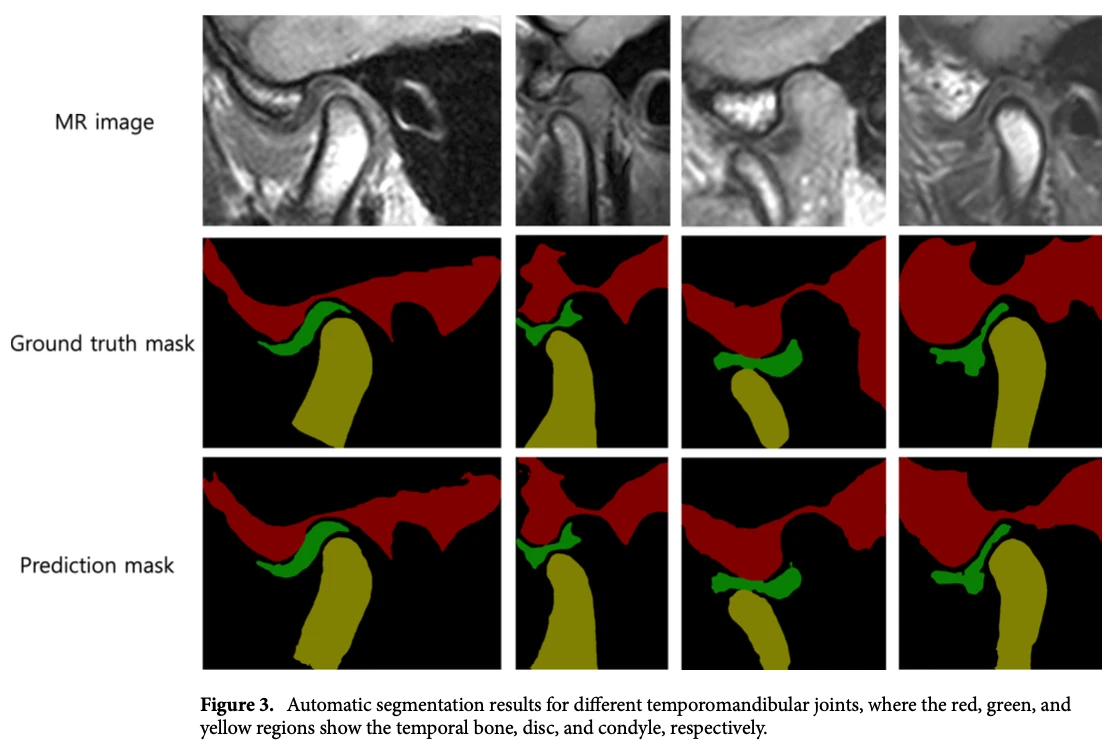
Multi-class segmentation of temporomandibular joint using ensemble deep learning, ,
Vision
We strive to solve challenging societal problems by exploiting powerful modern computational and mathematical techniques from artificial intelligence, machine learning, systems and control, reinforcement learning, optimization, and Bayesian inference. Our research seeks to bridge advances in artificial intelligence with real-world decision-making and autonomy, enabling intelligent systems that can reason, learn, adapt, and interact effectively in complex and uncertain environments.
Our recent work focuses on Physical AI and Embodied Intelligence, with particular emphasis on spatial intelligence for autonomous systems. We investigate how high-level world reasoning, long-horizon planning, perception, and precision control can be integrated into a unified framework for intelligent decision-making and action. To this end, we develop data-efficient learning and control algorithms that combine foundation models, vision-language-action (VLA) models, world models, diffusion-based generative models, reinforcement learning, and geometric machine learning.
Research topics in our laboratory include robot manipulation, humanoid and mobile robotics, multi-robot systems, autonomous driving and racing, human-robot interaction, inverse reinforcement learning, offline reinforcement learning, diffusion-based planning and control, equivariant learning, probabilistic decision making, and human-centered AI. We are particularly interested in exploiting geometric symmetries, structured world representations, and uncertainty-aware reasoning to improve generalization, robustness, and sample efficiency.
Our research is highly interdisciplinary and is conducted in close collaboration with scientists, clinicians, and industrial partners in robotics, mobility, healthcare, and manufacturing. By synergistically combining modern AI with control theory, optimization, system identification, and statistical inference, we aim to develop intelligent systems capable of understanding, reasoning about, and safely interacting with the physical world.
Our Teams
Robotics
Data-efficient robot learning, foundation models, and task planning — spanning robot manipulation, humanoid and mobile robots, multi-robot systems, and human-robot interaction.
Explore robotics →Autonomous Vehicle
Perception, planning and decision, learning-based control, and simulation and safety — for self-driving and intelligent vehicles in dynamic, uncertain environments.
Explore autonomous vehicle →Research
Optimal Control
Optimal control formulations and solvers for safe, high-performance decision-making and trajectory generation in dynamic systems.
Learning from Demonstrations
Learning control policies from expert demonstrations through imitation learning and inverse reinforcement learning.
Reinforcement Learning from Human Feedback in Control Systems
Incorporating human feedback into reinforcement learning to align controller behavior with human preferences and intent.
Vision-Language Models for Autonomous Driving
Applying vision-language (VLM) and vision-language-action (VLA) models to autonomous driving — for scene understanding, reasoning, and language-conditioned decision-making and control.
Data-efficient Robot Learning
We exploit the geometric structure of robotics tasks — symmetry and equivariance (e.g. SE(3)) — so that models learn far more data-efficiently and generalize from only a handful of demonstrations.
Robot Foundation Models
We leverage foundation models pre-trained on large-scale vision, language, and video data to build Vision-Language-Action (VLA) and World-Action Models (WAM) for robots.
Task Planning with Prior Knowledge
We make robot task planning more efficient by injecting prior knowledge (e.g. commonsense knowledge) represented with structures such as ontologies — so robots reason with far less search and supervision.
Current projects
AV
A Study on Trustworthy Performance Index in Reinforcement Learning for Controllers using Customer Feedback
A methodology study that corrects the errors inherent in customer feedback and removes unnecessary signals, thereby improving the reliability of the Performance Index (PI) model and integrating it into the controller.
Hyundai · Control · Estimation
AV
Development of Reinforcement Learning-Based Heating Control Logic for Electric Vehicles
A methodology study that utilizes existing HVAC control data and sample-efficient reinforcement learning to optimize cabin temperature tracking and heating energy consumption while reducing interactions with high-fidelity thermal simulators.
Hyundai · Control · Optimization
Robotics
Data-efficient Learning Framework for Vision-based Robot Manipulation Control
Building learning frameworks that achieve robust vision-based manipulation control from limited real-world data.
NRF · Vision-based manipulation
Robotics
Spatial Intelligence for Robotic Autonomy: From World Reasoning to Precision Control
We develop spatial intelligence for robotic autonomy by combining symbolic world models for spatial reasoning and task planning with geometry-aware, data-efficient robot policy learning.
NRF · Spatial Intelligence · VLA · Agentic AI
Robotics
Development of XR Copilot Technology Based on Non-verbal Behavior for Quality and Safety Assurance in Construction Component Fabrication and Installation
Developing XR copilot technology that uses non-verbal behavior to ensure quality and safety when fabricating and installing construction components.
IITP · XR · LLM · Non-verbal Behavior · Multimodal Learning
Sponsors