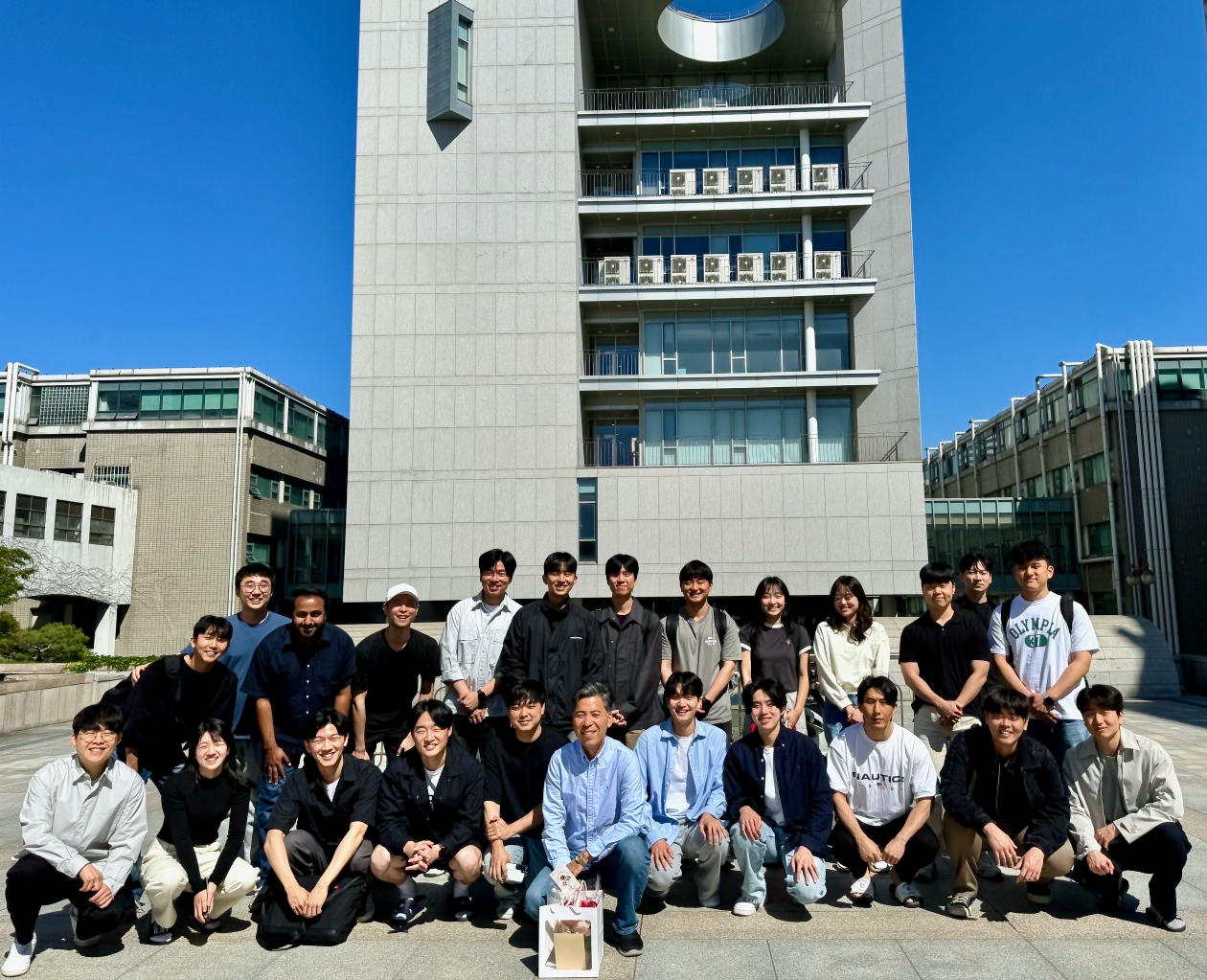
People in Machine Learning and Control Systems (MLCS) Laboratory May 2024.
2024
News
2026
MLCS Lab is now recruiting student interns for the robotics team and the autonomous vehicle team. View details
2025
Professor Choi serves as the General Chair of the IEEE Conference on Control Technology and Applications (CCTA) 2029, which will be held in Seoul, South Korea. CCTA is one of the two flagship conferences of the IEEE C...
2025
Professor Choi serves as a Guest Editor of the Special Issue on Humanoid Robots and Physical AI for Manufacturing in International Journal of Precision Engineering and Manufacturing from 2025-2026.
2024
2023
Professor Choi serves as a Senior Editor of the International Journal of Control, Automation, and Systems (IJCAS) from 2023.
2023
Professor Choi served as the chair of the International Program Committee at The 3rd Modeling, Estimation and Control Conference (MECC 2023).
2023
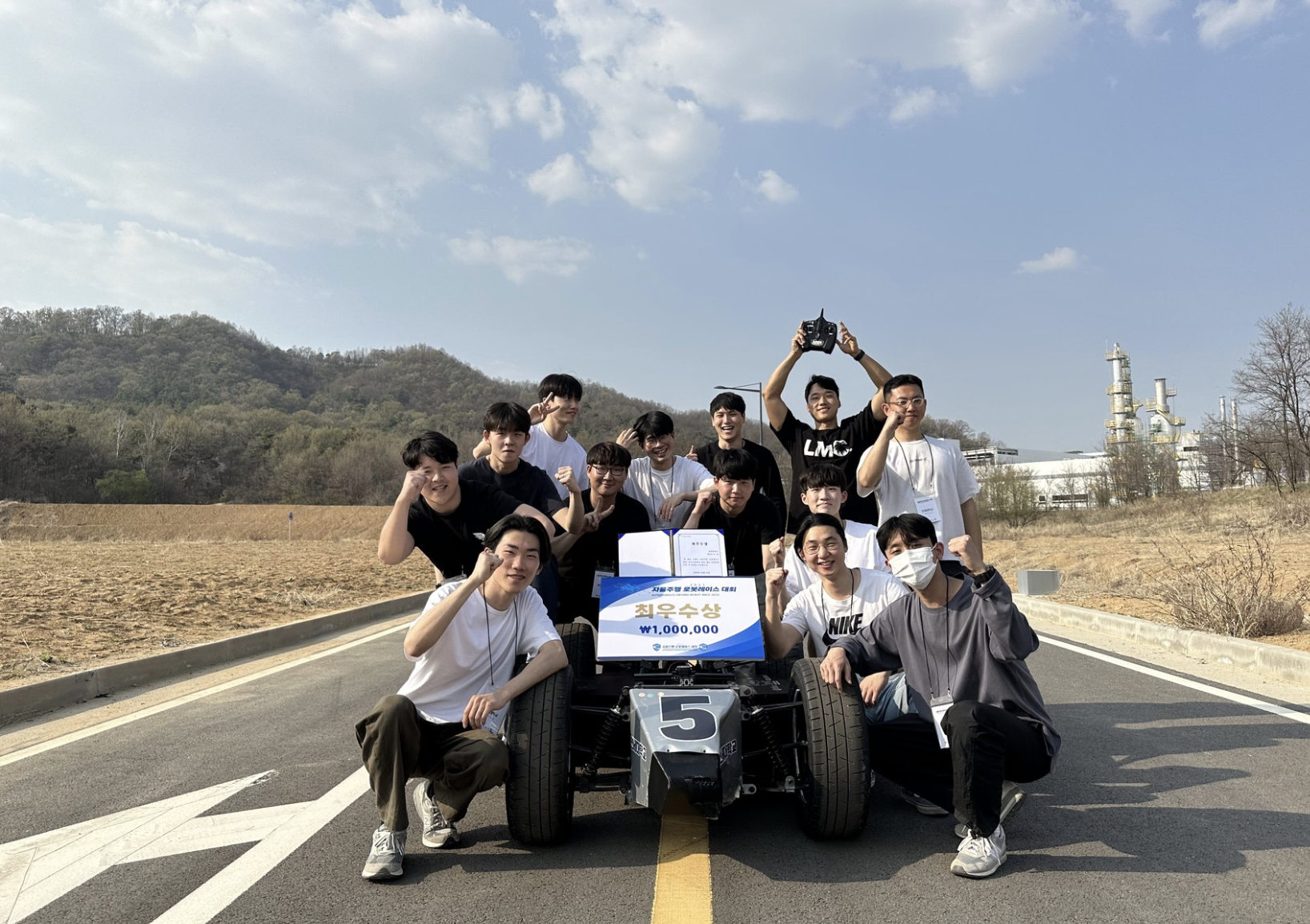
Yonsei team won the second place at the First Autonomous Driving Robot Race 2023, sponsored by Korea Robotics Society (KROS), held in Chungbuk National University C-track, Republic of Korea, April 1, 2023.
2022
Professor Choi served as a Guest Editor with a two-year term (2021 and 2022) for IEEE/ASME TMECH/AIM Focused Section on Emerging Topics.
2022
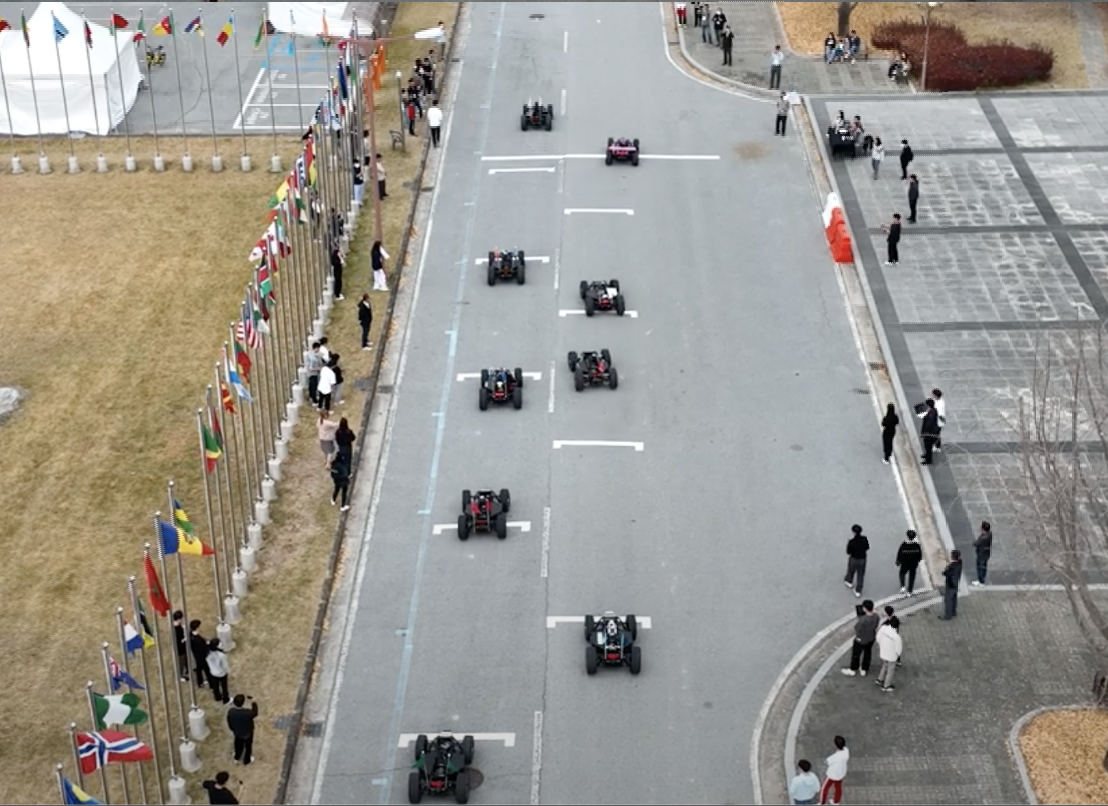
Yonsei team with undergraduate students from mechanical engineering and graduate students from MLCS won the first place at the 2nd Autonomous Driving Robot Race, held in Sun Moon University, Asan, Chungcheongnam-do, R...
2018
2018
2018
2018
2018
2018
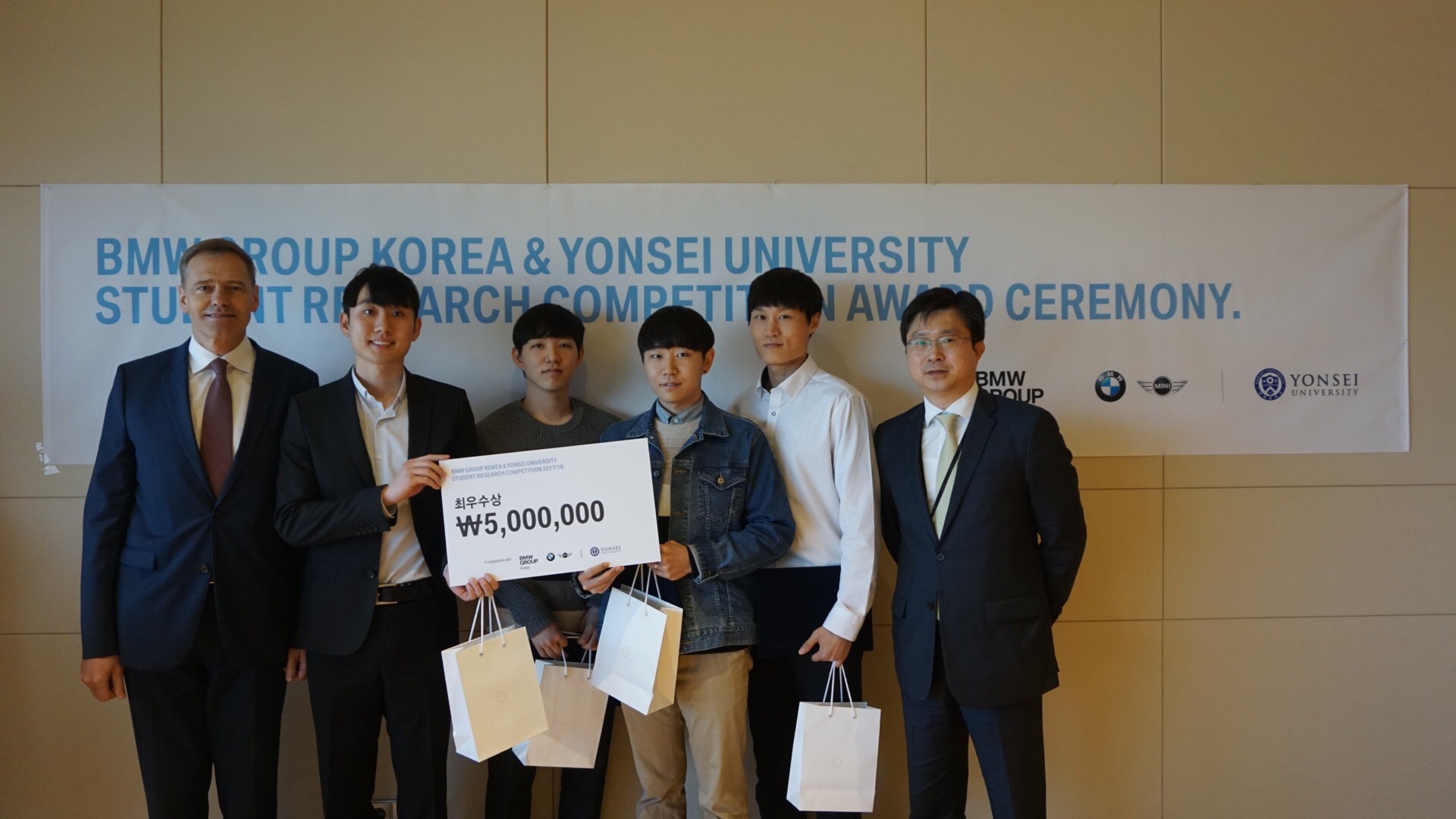
Sponsored by College of Engineering, Yonsei University and by BMW Korea, the award ceremony was held on April 16, 2018 at the BMW Driving Center in Songdo, Incheon. Six teams from Yonsei University selected through th...
2017
We are always seeking for talented and highly motivated researchers (graduate students, postdocs, and undergradate interns). If you are interested in participating in research and collaboration, please feel free to co...
2017
2016
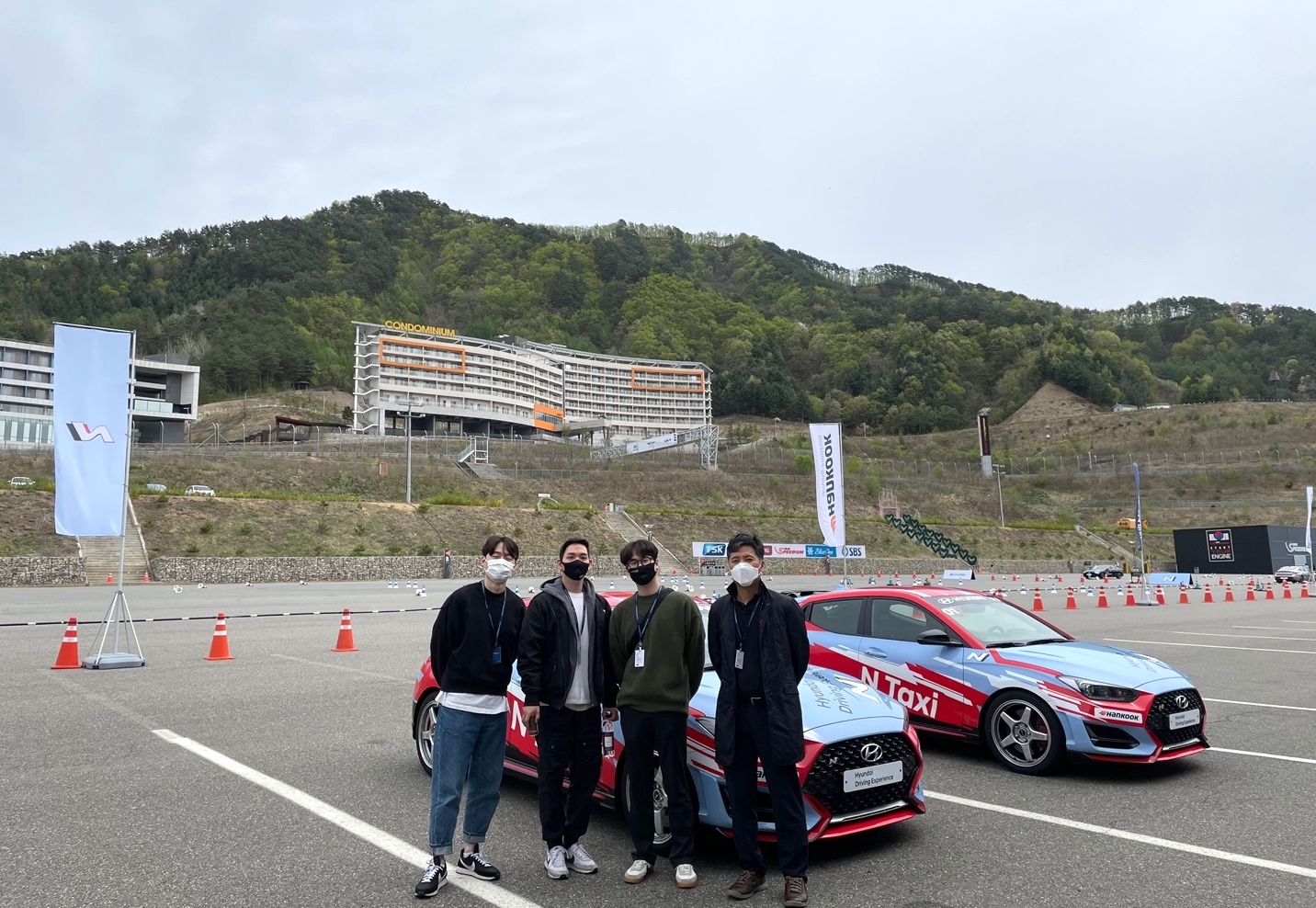
We aim to develop a virtual racing driver coach in order to coach human drivers to improve driving skills. The first goal is to develop a classification model which is able to evaluate the driving levels of racing dri...
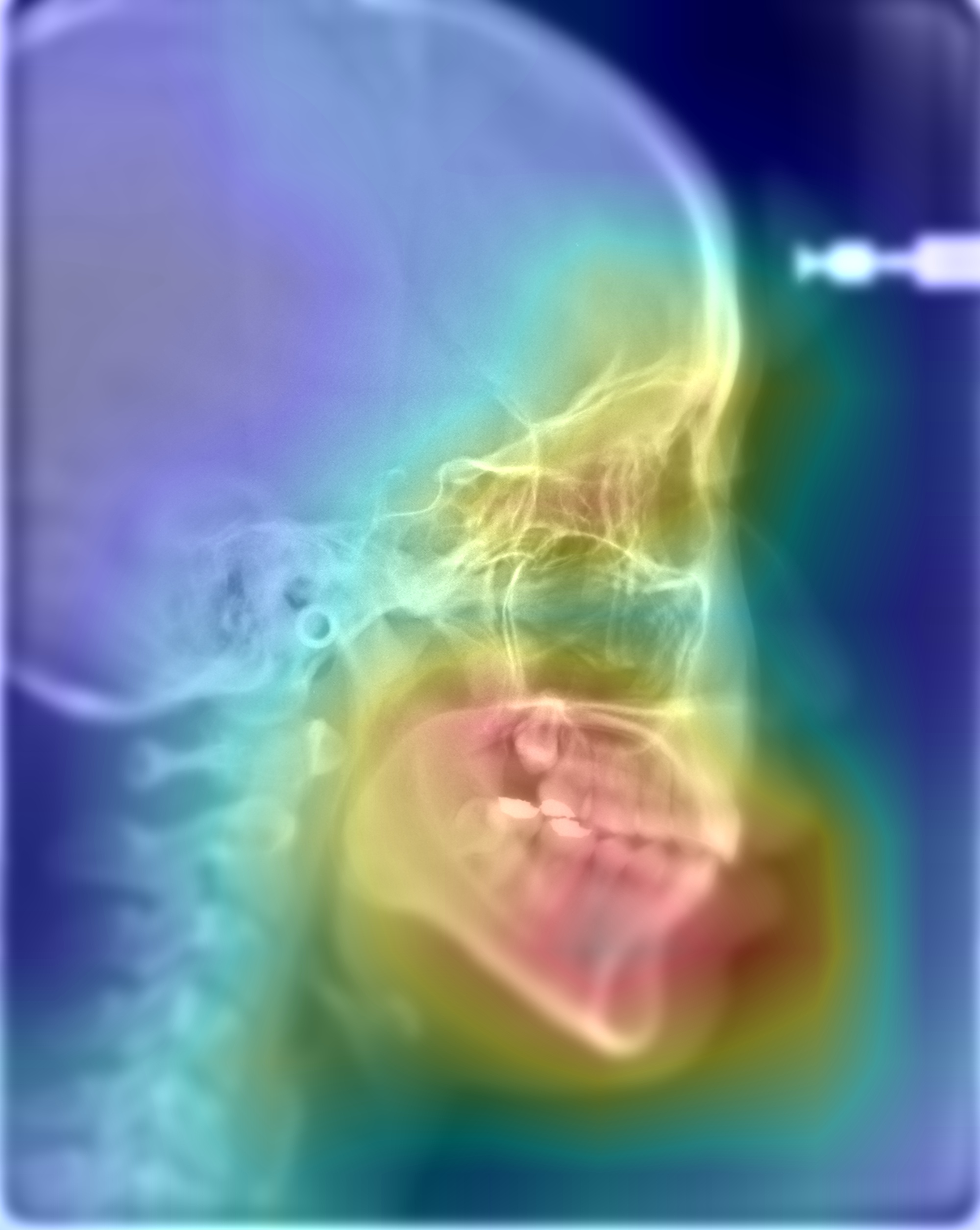
This study aims to provide an accurate and robust skeletal diagnostic system by incorporating a convolutional neural network (CNN) into a one-step, end-to-end diagnostic system using lateral cephalograms. A multimodal...
We are working on a three year project entitled by “Autonomous driving control systems utilizing deep-learning based situation awareness and its uncertainty”, funded by National Research Foundation of Korea (NRF) (PI ...
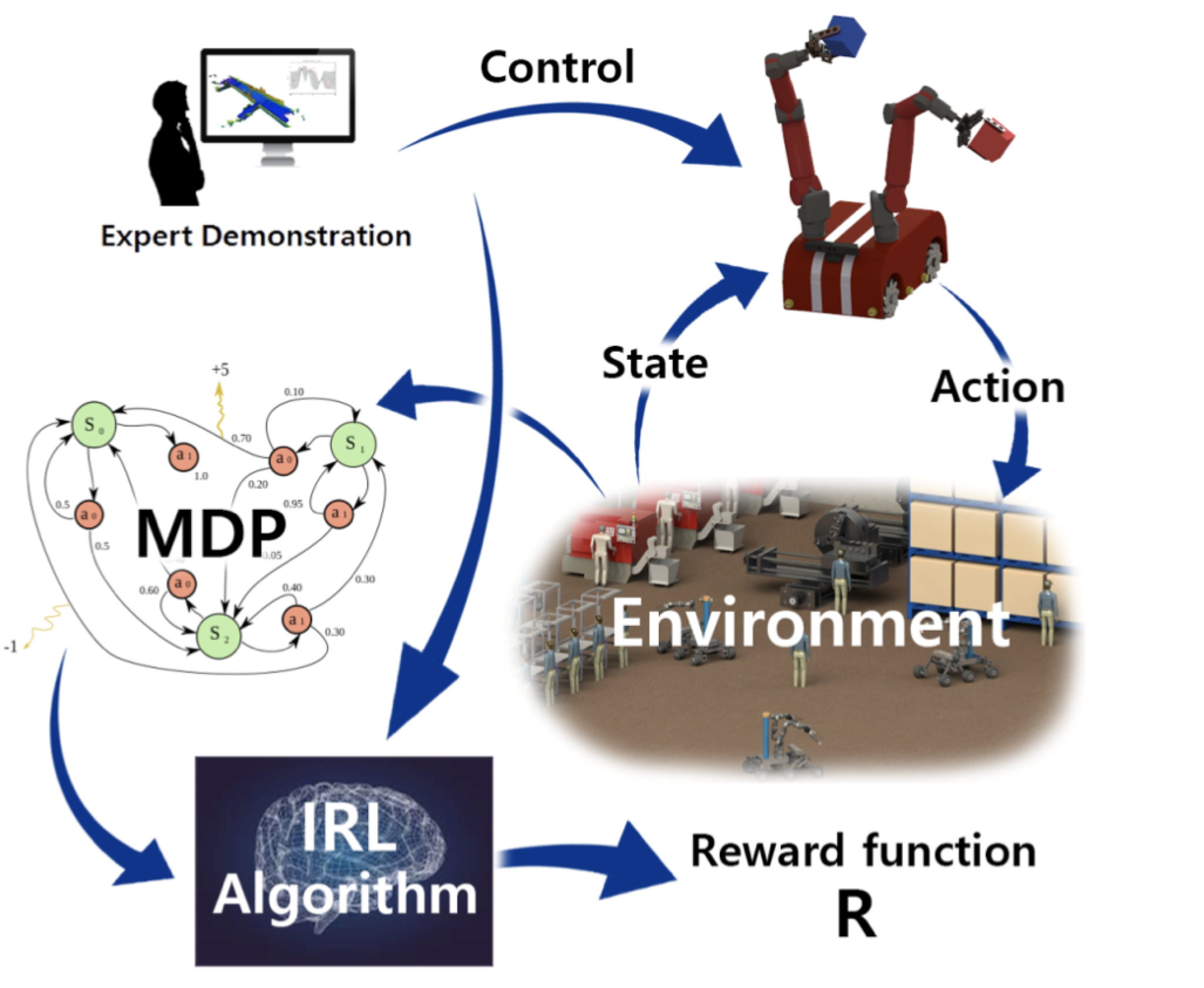
Experts' demonstration data can be used to learn reward functions in order to efficiently build artificial intelligence via inverse optimal control or inverse reinforcment. We are currently applying IRL to build AI fo...
The goal of the project is to develop an artificial intelligence based service robot for VR theme parks. The service robot can give cheering, encouragement, explanation, guidance, etc. according to the situations to m...
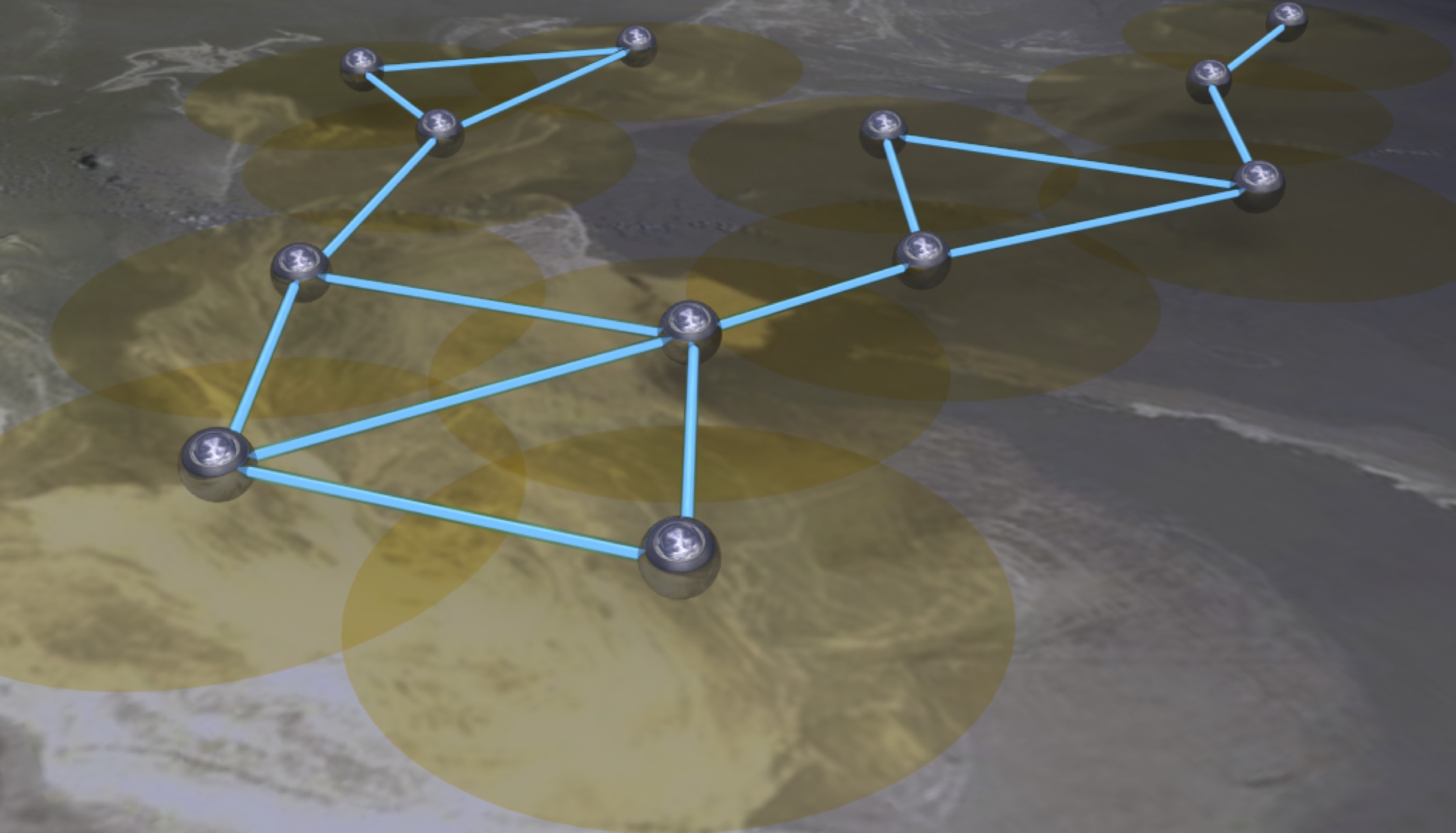
We have developed spatio-temporal prediction and adaptive sampling algorithms for mobile sensor networks. Mobile sensing agents need to locally learn the uncertain environment collaboratively with neighboring agents t...

The goal of the project is to apply concepts from systems and control theory to model and analyze the human motor control systems in order to generate useful information for treatments and interventions. Human-robot p...
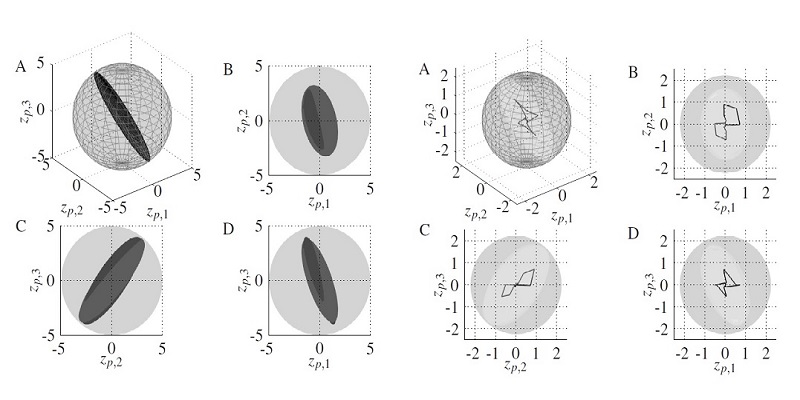
Gain-scheduling controllers for various LPV systems with hard constraints have been designed based on the numerically efficient convex optimization or linear matrix inequality (LMI) technique. The simulation and exper...